
This exhibition gathers work from three international artists who respond to the world through the written word, performative drawing and sculpture.
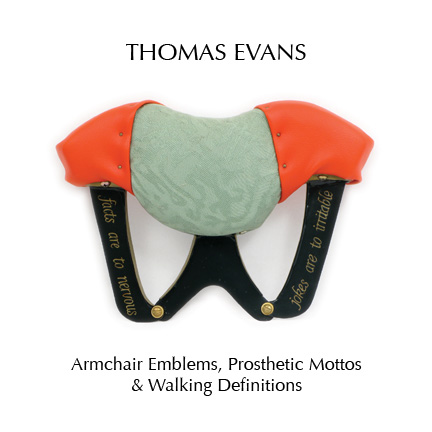
Thomas Evans’ The Theatre of the Wobbling Worlds is a theatre for a single performer composed of numerous pivoted stages laid out in a loose grid. Each stage presents a proposition of the world on a wobbling stage which invites participants into a humorous homage to the idea of the “theatre of the world”. David Rule’s short texts and prompts move between the observational and speculative, suggesting opportunities for reveries along the South Bank and Emmanuelle Waeckerlé’s praeludere uses a verbal score as a catalyst for action; walking, writing, singing and drawing are used to explore and map the everyday.
This project is co-curated by Chris McCabe and Emmanuelle Waeckerlé, in partnership with bookRoom at UCA Farnham James Hockey gallery, and The Saison Poetry Library at Southbank Centre.
From Tuesday 13th January – Sunday 1st March 2015.
Join us for the opening event on Tuesday 13th January at 7.30pm. To book your free place email: specialedition@poetrylibrary.org.uk
 otherroom.org